
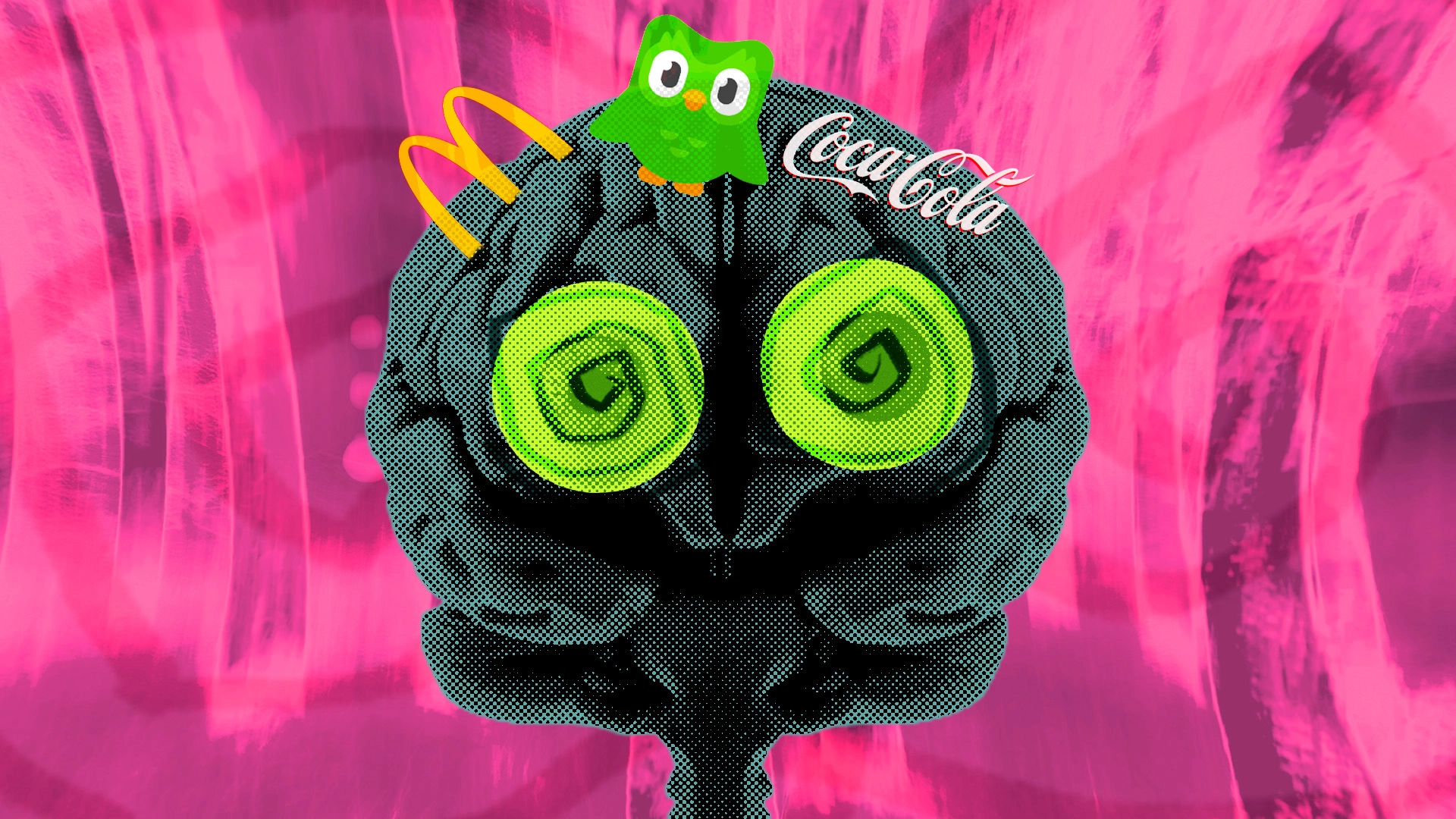
People often recognise brands through colour, pacing, typography, image treatment or layout rhythm before they properly register who the company even is. That part is interesting because recognition has as much to do with psychology as it does graphic design. Oddly enough, into the territory of people like Derren Brown and Keith Barry.
Not because branding is some sort of sinister mind control exercise (make Joey a sandwich). It is not. But because both performers have spent years building shows around suggestion, repetition, priming and subconscious pattern recognition. Strip away the theatre and you are left with something surprisingly close to how strong branding systems actually work.
Your brain is constantly filtering information and looking for shortcuts. Patterns. Familiarity. Signals it has seen before. Most people like to think they make decisions rationally and consciously, but the brain is quietly doing an enormous amount of background work all the time.
That is partly why repeated visual exposure matters so much in advertising and identity systems. Familiar things require less effort to process. They feel safer. Easier. More trustworthy.
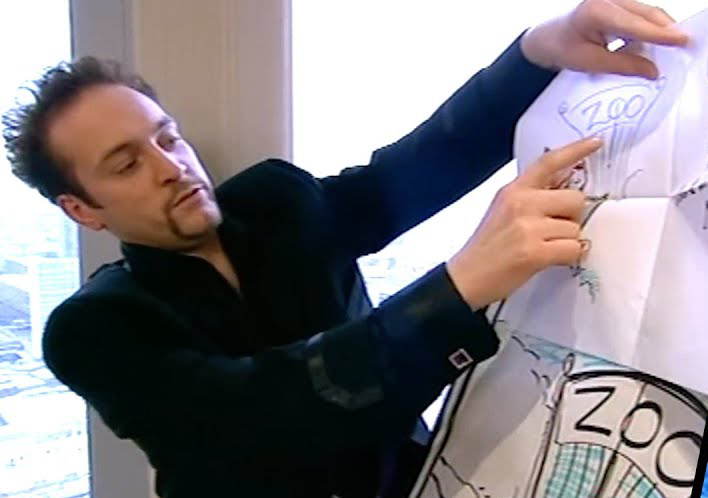
You can see this idea appear repeatedly throughout Derren Brown’s television work, particularly in experiments around priming and suggestion. One of the better-known examples involved exposing advertising creatives to repeated environmental cues throughout the day before asking them to develop campaign concepts later on. The participants believed they had arrived at the ideas independently, despite many of the visual references having already been seeded around them earlier.
Whether you view the experiment as psychology, entertainment or clever showmanship, the underlying principle itself is very real. Repeated exposure shapes familiarity.
Advertising has understood this for decades, even if most people do not consciously notice it happening.
This is where a lot of businesses misunderstand branding consistency. Consistency is not simply using the same logo everywhere. It is creating repeatable patterns people gradually learn to recognise over time.
The strongest brands are usually teaching the brain what to expect without people even realising it is happening. Think about how quickly people associate a particular shade of red with Coca-Cola, or how the yellow arch shape of McDonald's can be recognised from half a motorway away before the logo itself is even fully visible.
The same thing happens digitally. The orange-and-black world of Letterboxd, the pacing and motion language of Duolingo or even the deliberately stripped-back typography and layouts used by Notion all create familiarity long before people consciously process the brand name.
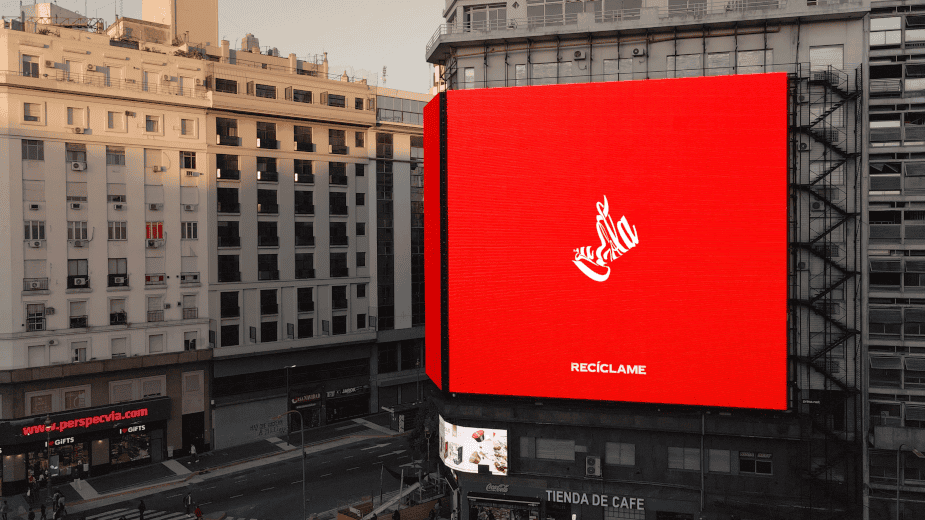
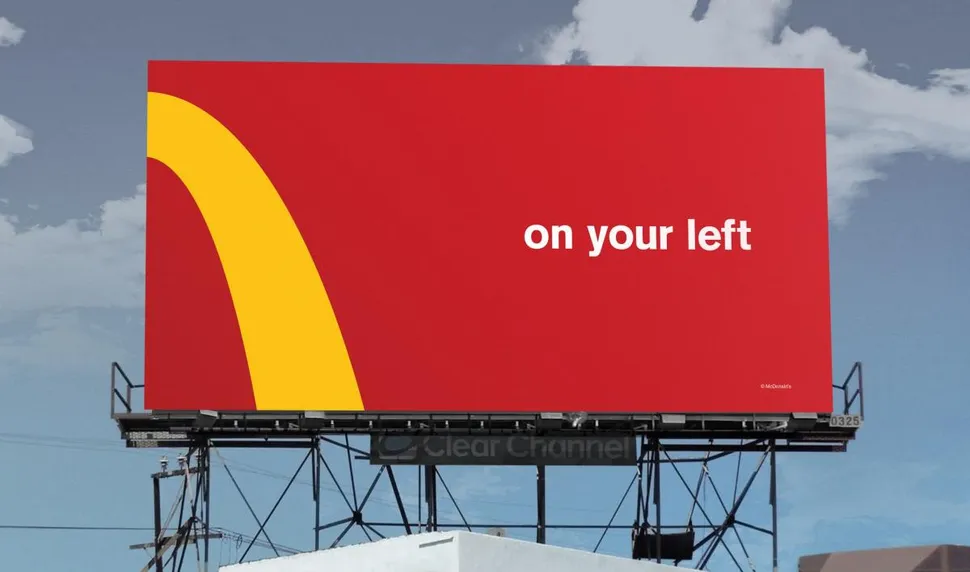

Over time, the brain starts stitching these repeated signals together automatically. The logo becomes part of a wider memory system rather than the sole identifier carrying all the weight on its own.
That is also why inconsistency weakens recognition surprisingly quickly. You can feel it when the website feels disconnected from the social media, the presentations seem to belong to another company entirely and the advertising develops its own separate visual language. Even if somebody cannot immediately explain what feels wrong, the inconsistency still registers.
The brain struggles to build reliable associations when the signals keep changing.
This is partly why strong brands often feel strangely familiar even when you only encounter them briefly. You recognise the rhythm before the logo. The visual language before the name. Sometimes even the emotional tone before anything else.
That familiarity is rarely accidental. It is built through repeated exposure to consistent signals over time.
Which is why the work of people like Derren Brown and Keith Barry feels oddly relevant here. Mentalists have spent years demonstrating how repetition, suggestion, memory association and environmental cues quietly shape attention and recall. Branding systems often work through very similar mechanisms. Not because they are manipulating people, but because human beings naturally respond to familiarity and repeated patterns.
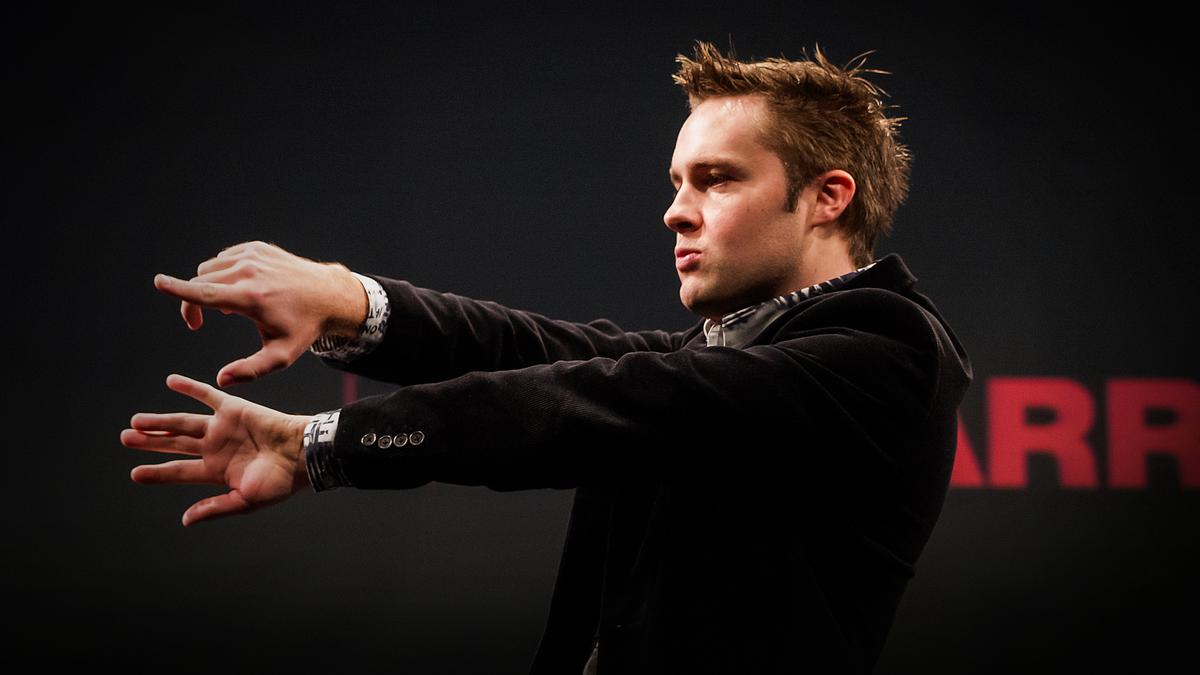
Keith Barry often describes his work as a mix of psychology, suggestion, behavioural observation and subconscious influence rather than supernatural ability. The techniques themselves are obviously being used for entertainment, but the underlying ideas around repeated cues and human pattern recognition are very real.
The brain likes recognisable structures.
That is ultimately what consistency gives a brand. Not just neatness or professionalism, but recognition. And most of the time, that recognition is happening before people even realise it.
Memorable brands are built deliberately.

.png)